
Baseline Survey Identified Development Priorities for Rural Youth and Agriculture in the Five Target Districts
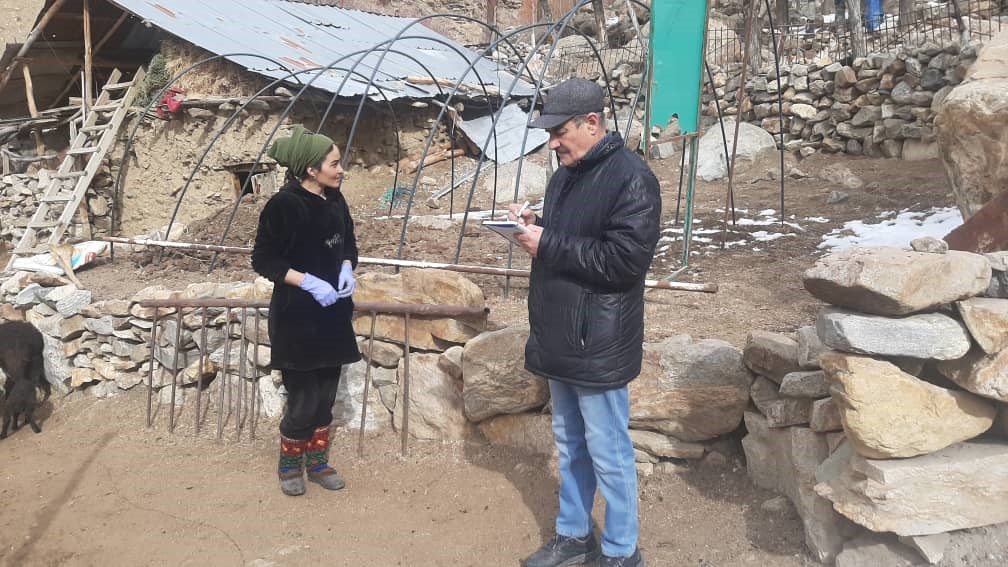
In February 2026, a baseline survey was conducted in the project’s five target districts—Vanj, Rushan, Shughnon, Ishkashim, and the city of Khorog. The survey served as the foundation for subsequent project planning and implementation. Its primary objective was to obtain reliable data on the socio-economic conditions of rural youth, their employment status, access to education and training opportunities, and the key development needs of rural communities.
The survey targeted young people and was conducted using a structured questionnaire developed based on the methodology of the United Nations World Food Programme (WFP) and adapted to the local context. Data collection was carried out digitally using the Kobo platform. A total of 121 respondents participated in the survey, representing 121 percent of the planned sample size. The survey was conducted in accordance with the principles of voluntary participation, confidentiality, and impartiality, with particular attention given to ensuring gender balance among respondents.
Following the completion of the fieldwork, all questionnaires were reviewed for completeness and accuracy, systematically processed, and analyzed. Based on the collected data, an analytical report was prepared in both Russian and English. The report includes the survey methodology, respondents’ socio-demographic profile, analysis of key indicators, comparative analysis across the target districts, conclusions, and practical recommendations for future project implementation.
One of the key findings of the survey confirmed that agriculture across the five target districts shares a similar production structure. The main agricultural crops include spring wheat, potatoes, apple orchards, and vegetable crops such as carrots and tomatoes. This reflects the similarity of agro-climatic conditions, traditional farming practices, and agricultural development priorities throughout the project area.
Each of these crops plays an important role in strengthening food security and increasing household incomes. Spring wheat remains one of the principal cereal crops, providing flour and bakery products while also serving as an important source of livestock feed. Potatoes are one of the staple food products for local communities and represent an additional source of income through the sale of surplus production. Apple orchards provide farmers with stable long-term income, while vegetables such as carrots and tomatoes are in high demand in both fresh and processed markets, creating additional opportunities for local agribusiness development.
The survey also revealed significant potential for the adoption of modern agricultural technologies. Young people expressed strong interest in learning how to use digital tools for crop monitoring, weather forecasting, natural resource management, and agribusiness development. These findings confirm the relevance of organizing training programmes on digital agriculture, climate-smart farming practices, modern agricultural technologies, and entrepreneurship development.
The survey findings have provided the basis for designing the project’s capacity-building programme. The planned training activities will focus on improving cultivation practices for the main agricultural crops, increasing productivity and product quality, reducing post-harvest losses, strengthening agricultural processing skills, and improving producers’ access to markets.
The baseline survey has not only provided an objective assessment of the current situation in the target districts but has also identified the key priorities for future project interventions. The collected data will serve as the baseline for monitoring project achievements, evaluating the effectiveness of implemented activities, and informing evidence-based decisions that contribute to the sustainable development of rural communities and expanded opportunities for rural youth.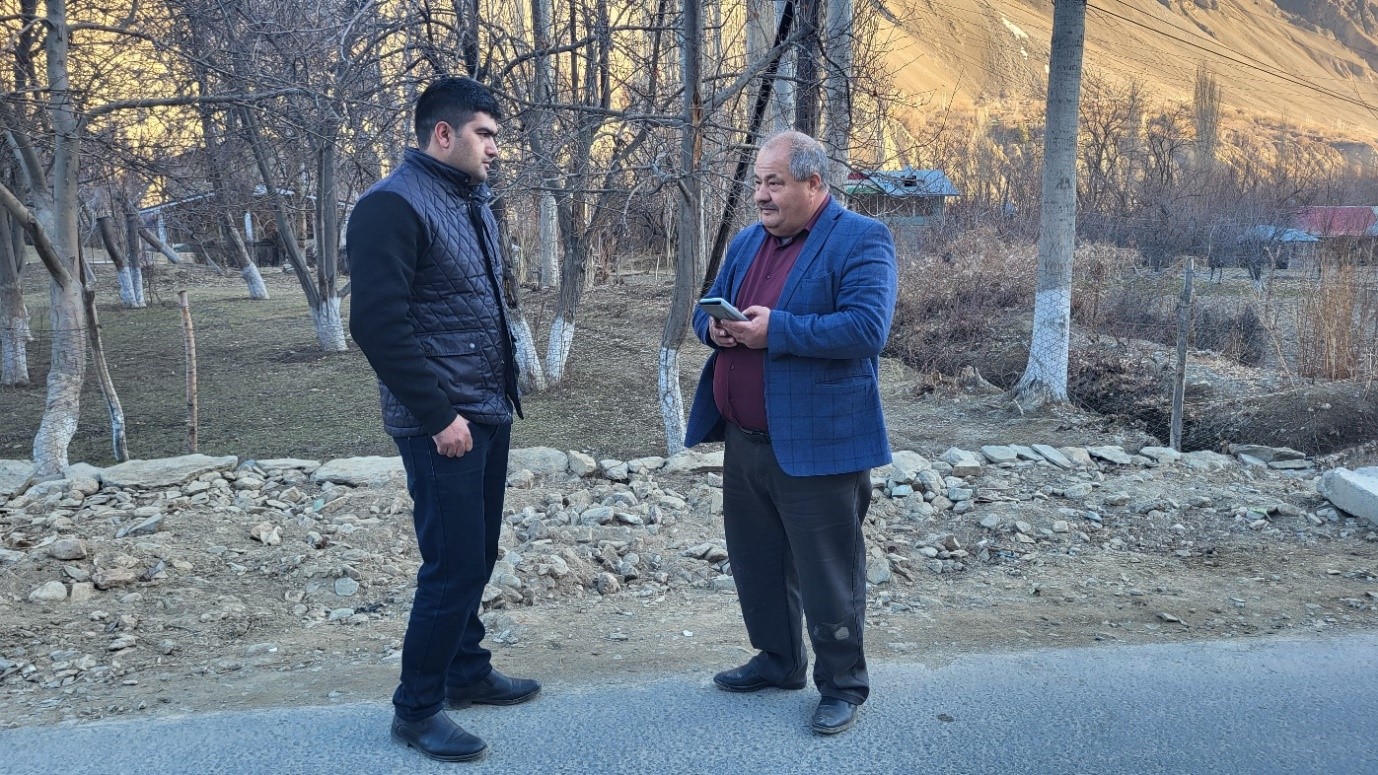
 Русский
 Тоҷикӣ
 English